Redefining Virtual Humans: MSI and Red Pill Lab Partner to Power Real-Time AI Interaction
"Red Pill Lab is committed to creating the most natural virtual human interactions, and MSI’s high-performance hardware is the key to realizing this vision. By leveraging real-time AI motion inference enabled by CPU-integrated NPUs alongside the powerful rendering capabilities of MSI systems equipped with NVIDIA RTX GPUs, we have successfully transformed cloud intelligence into lifelike, local interactive experiences, together defining the new standard for virtual humans in the AI PC era." — RH Shih, CEO & Co-Founder, Red Pill Lab
"Red Pill Lab is committed to creating the most natural virtual human interactions, and MSI’s high-performance hardware is the key to realizing this vision. By leveraging real-time AI motion inference enabled by CPU-integrated NPUs alongside the powerful rendering capabilities of MSI systems equipped with NVIDIA RTX GPUs, we have successfully transformed cloud intelligence into lifelike, local interactive experiences, together defining the new standard for virtual humans in the AI PC era." — RH Shih, CEO & Co-Founder, Red Pill Lab.
Technological Challenges
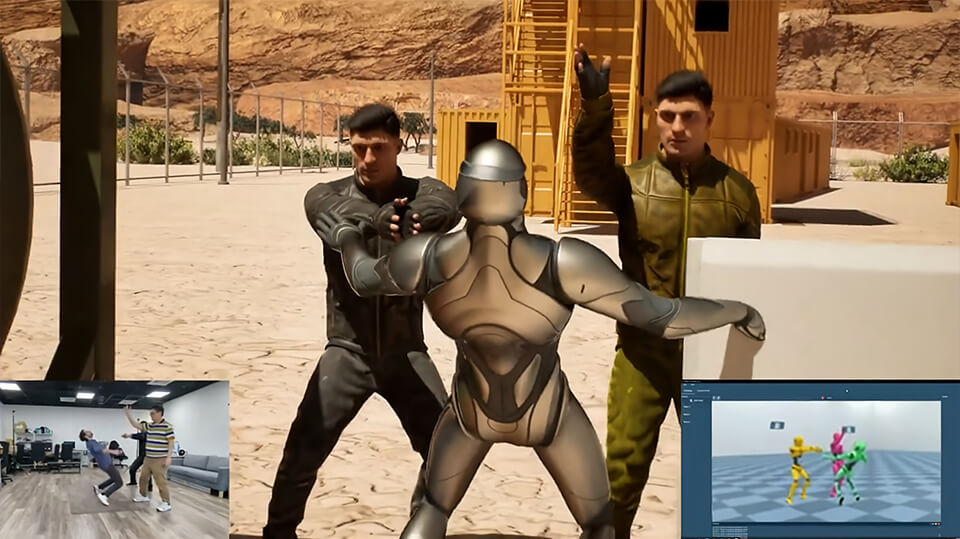
Developing "DigiME" and the "NeoCore" multi-person MoCap solution required overcoming several critical hardware bottlenecks:
• System Latency: Relying solely on the CPU for motion capture created bottlenecks that compromised responsiveness.
• Visual Fidelity vs. Performance: The team needed to maintain high-quality 3D rendering without sacrificing the frame rates essential for believable interactions./p>
• Multi-tasking Strain: In scenarios involving AAA gaming or OBS streaming, the system needed to run Unreal Engine, Autodesk MotionBuilder, and Warudo simultaneously without frame-time jitter.
• I/O Synchronization: High-end MoCap requires precise USB signal synchronization across multiple 1080P webcams.
The MSI Solution
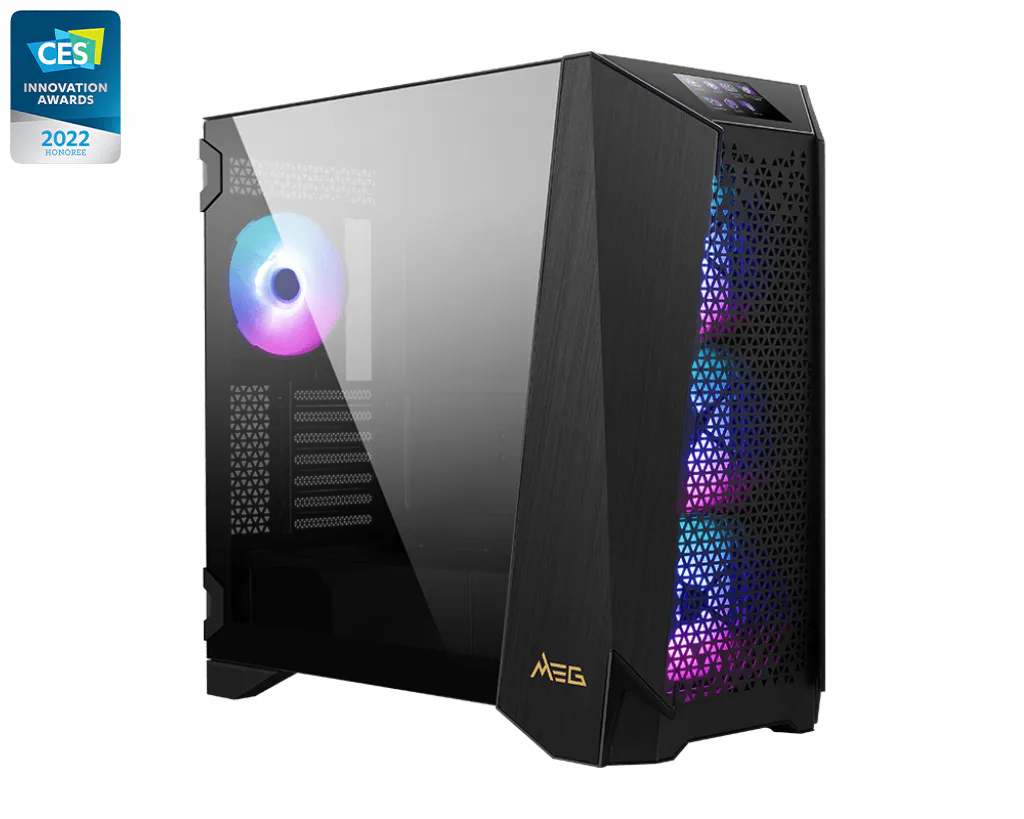
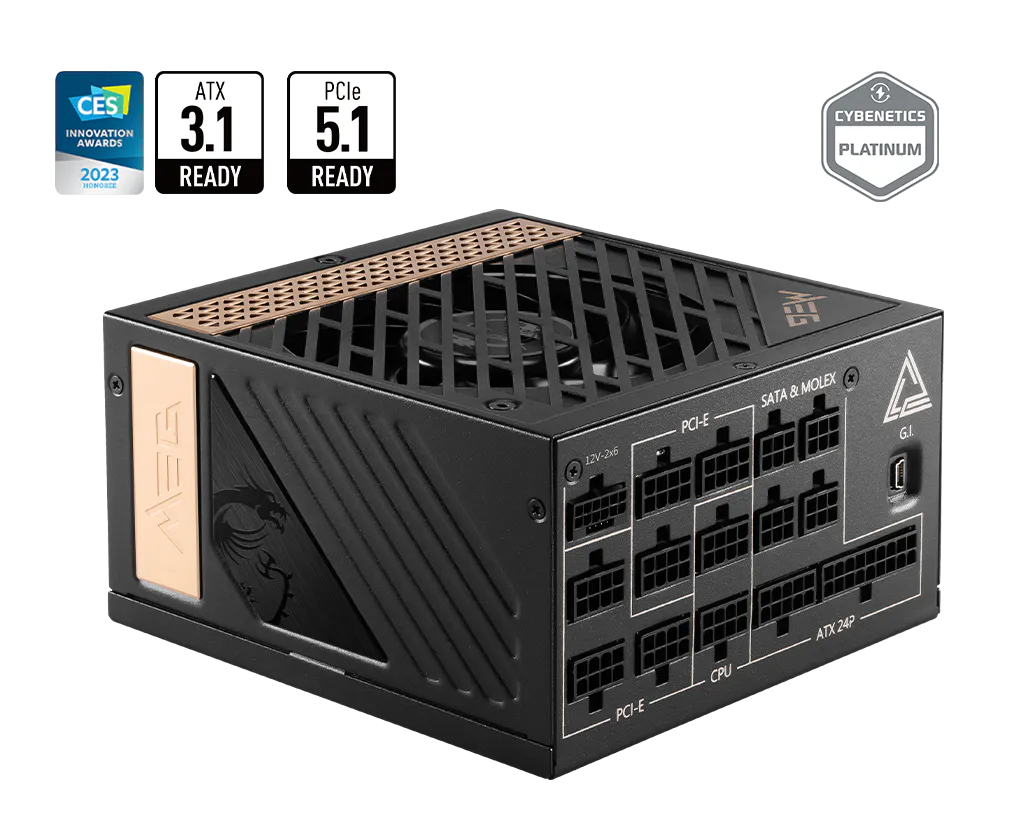
Red Pill Lab adopted a hybrid computing strategy powered by MSI’s Gaming PC and high-performance desktops addressing key technical challenges in real-time virtual human processing:
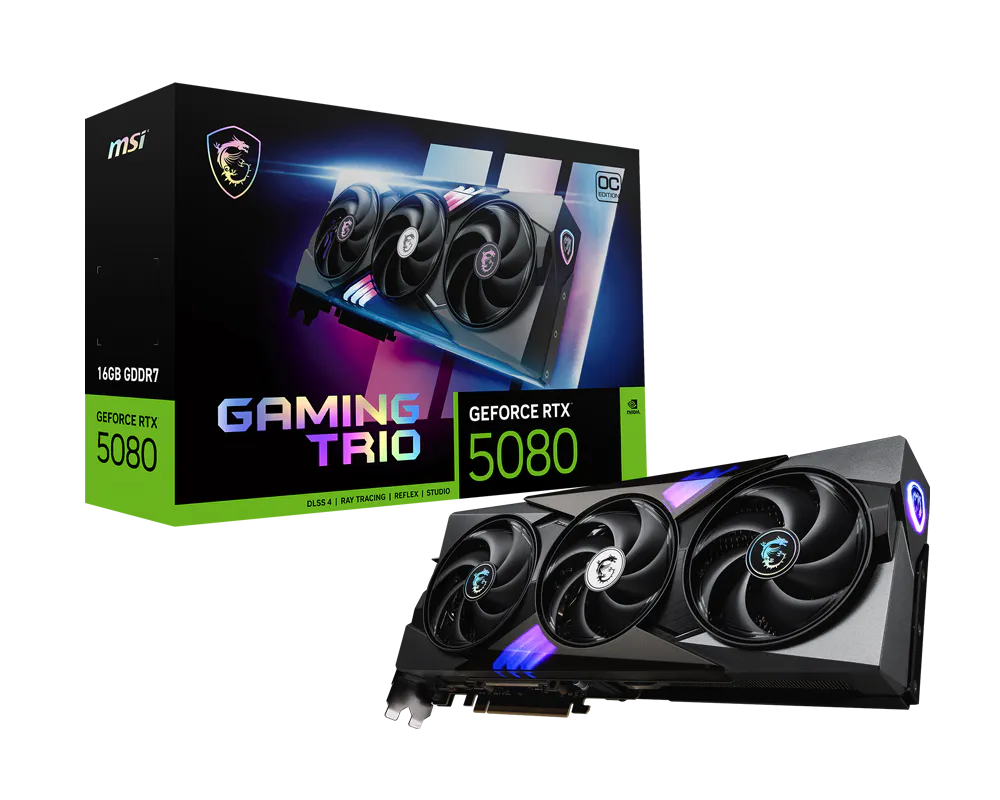
• Workload Optimization: Leveraging CPU-integrated NPUs to efficiently accelerate complex AI motion inference while offloading real-time 3D graphics rendering to MSI systems equipped with NVIDIA GeForce RTX GPUs, creating a balanced and high-performance pipeline.
• Local Edge Computing: Using MSI hardware as a "Local Edge Computing Core" to process facial expressions and limb movements locally and instantaneously.
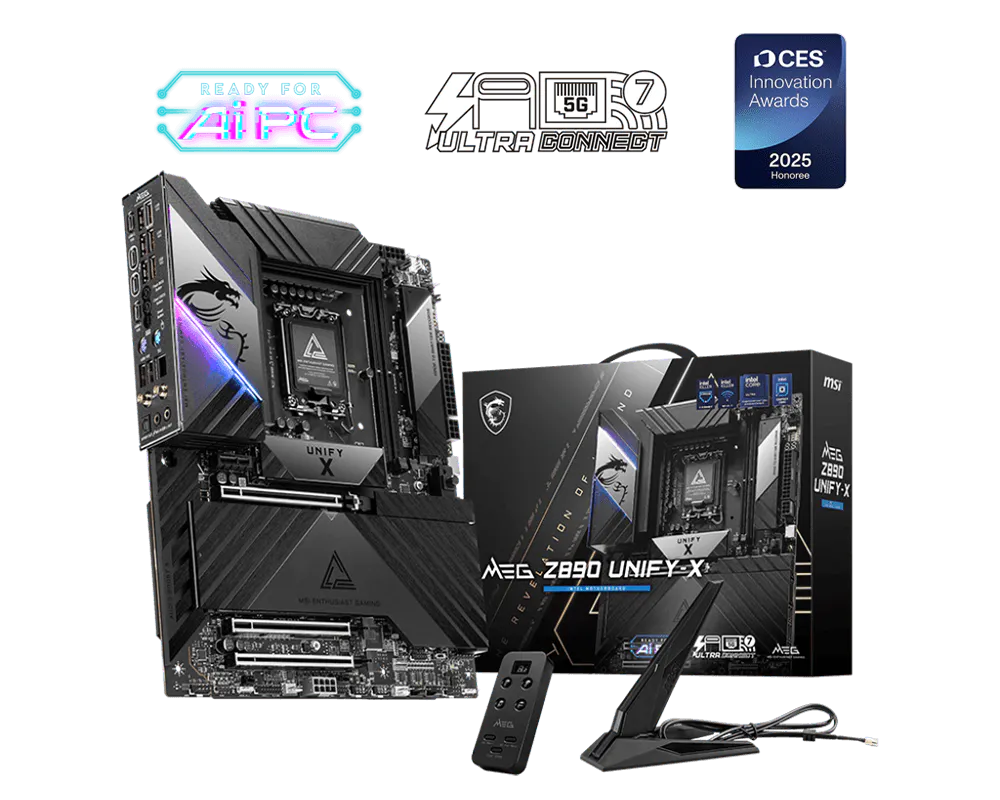
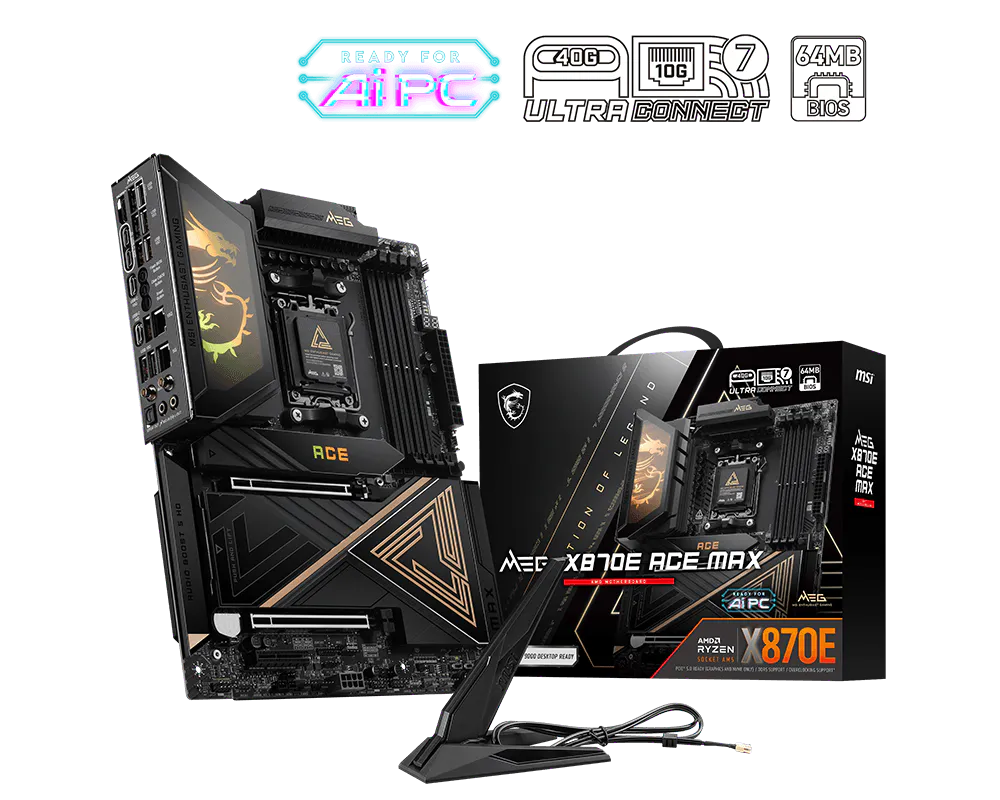
• Stable Connectivity: MSI motherboards with advanced connectivity and efficient I/O pathways ensure precise synchronization across multi-camera inputs and real-time data streams, supporting high-throughput capture setups.
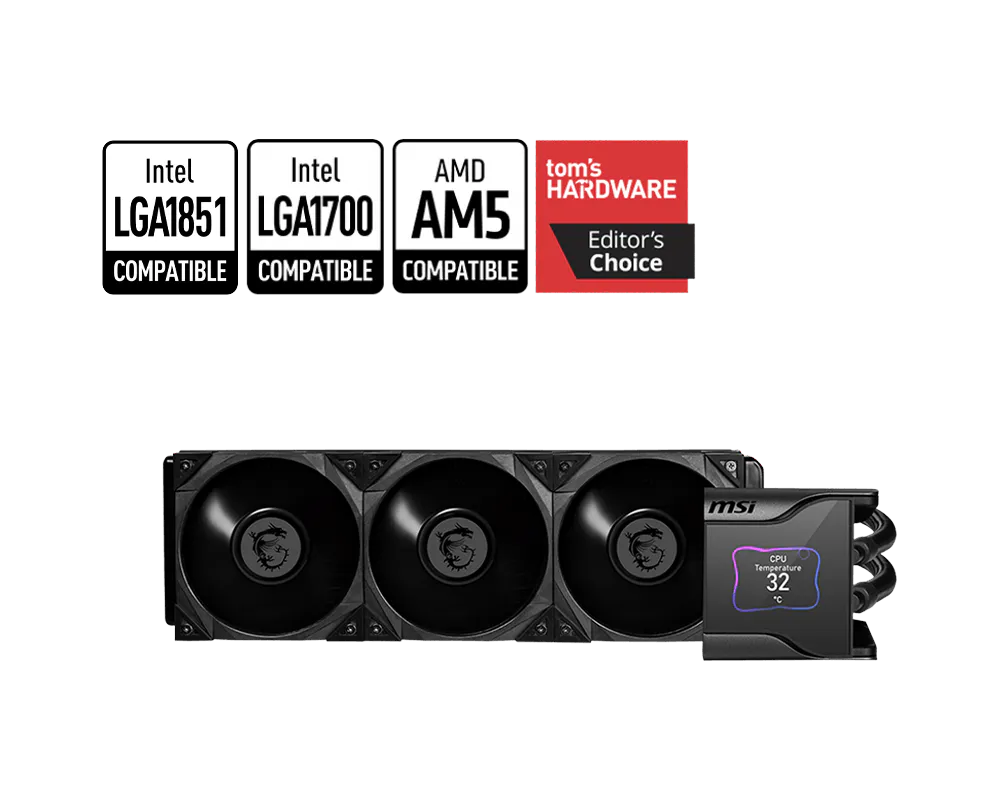
• Thermal Management: MSI’s thermal design solutions — such as Glacier Armor and Silent Storm Cooling AI, maintain stable performance during prolonged, high-load AI computations, which is crucial for 24/7 commercial applications.
Impressive Results
After integrating MSI hardware, Red Pill Lab has achieved significant milestones:
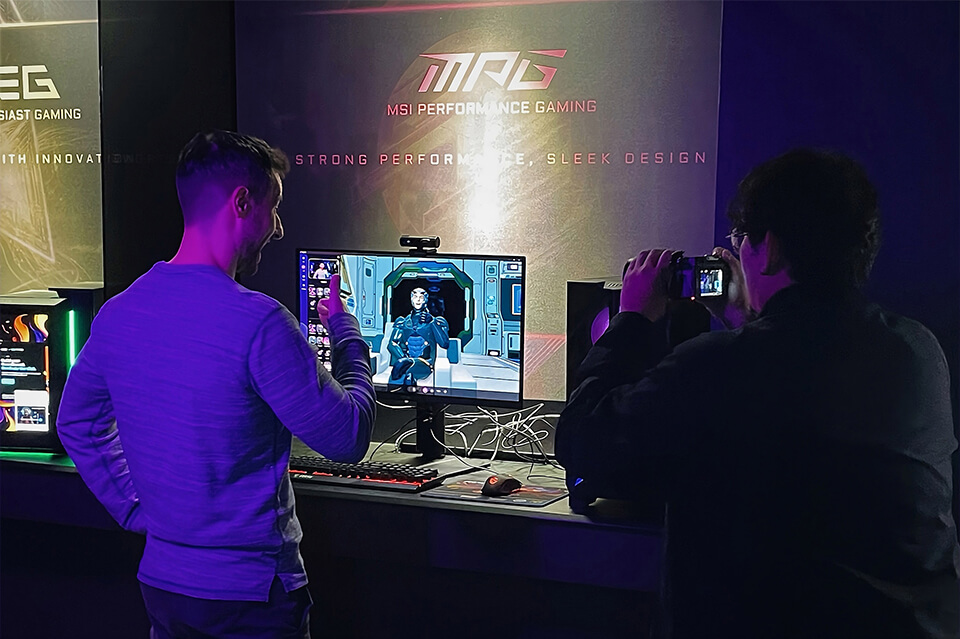
• Lag-Free Interaction: Unreal Engine now sustains 100+ FPS in DigiME scenarios, eliminating jitter even under extreme multitasking.
• Efficiency Gains: Leveraging CPU-integrated NPU enables precise motion capture with extremely low power consumption, drastically reducing the CPU's workload.
• Commercial Readiness: Overcoming technical hurdles has allowed Red Pill Lab to push DigiME into high-end commercial markets, such as real-time customer service and smart reception.
• Optimized Workflow: The robust hardware configuration allows the development team to focus on optimizing integration logic with cloud-based LLMs instead of system troubleshooting.