What is a Level 2 Charger?
EV Charging Solutions
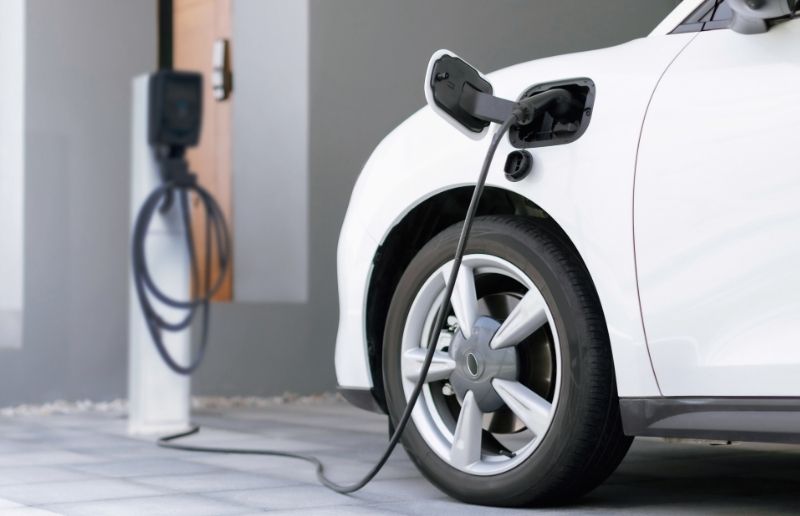
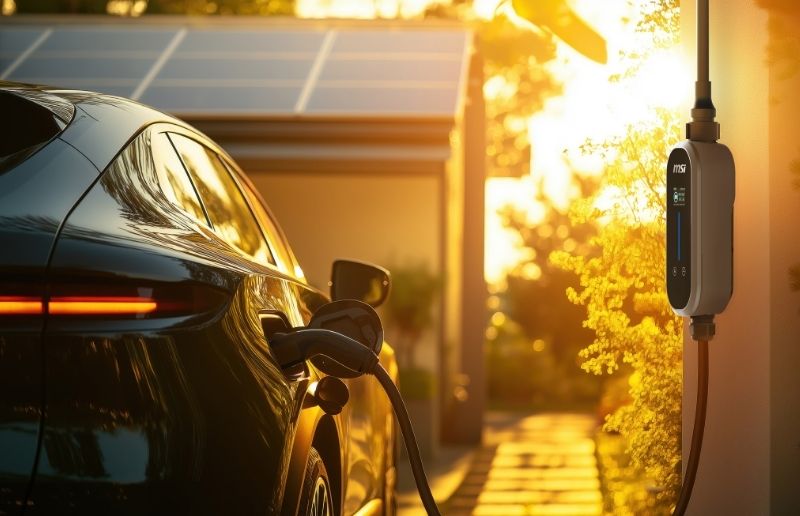
A Level 2 charger is a dedicated EV charging unit that runs on a 230-240V circuit, the same voltage used by large household appliances like dryers and ovens. In contrast with Level 1 charging, which uses a standard household socket, a Level 2 charger is either directly wired into the building's electrical system or connected to a higher-voltage outlet. Because it draws more power, it charges an EV much faster than a standard socket, delivering between 7 and 22 kW and adding roughly 30 to 120 kilometres (20 to 75 miles) of range per hour depending on the vehicle and the charger's output. It is the most widely installed EV charger type for homes, workplaces, and commercial properties.
The Three Levels of EV Charging
Level 1
Sometimes called trickle charging, Level 1 chargers plug directly into a standard wall outlet. These chargers are sometimes referred to as “granny chargers” in Australia and the UK, and as the nickname might suggest, they’re very slow. You can expect to gain about 5-8 km (3-5 miles) for every hour of charging. They’re really only good for overnight top-ups.
Level 2
Level 2 charging is significantly faster than Level 1 charging. These are the faster home chargers that plug into higher-voltage outlets and can easily charge a vehicle overnight. You can expect 7-22 kW of output from a Level 2 charger, which translates to 30-120 km (20-75 miles) of range per hour, depending on the charger and vehicle. Out in the world, they’re commonly found at workplaces, grocery stores, restaurants, and hotels.
Level 3
Also known as DC Fast Charging, Level 3 charging is high-voltage, direct-current charging that can deliver from 50-350+ kW. At a 150 kW charger, most EVs can reach 80% charge in around 20-30 minutes, making them practical for highway rest areas and other short stops. Vehicles intentionally slow charging speeds above 80% to protect the battery, so fast chargers are designed for quick top-ups rather than full charges. They are also much more expensive to purchase and install, which is why they’re far less common than Level 2 chargers.
How Level 2 Charging Actually Works
Vehicles use DC (direct current) power to charge and operate. So how do AC (Alternating Current - Level 1 and 2) chargers manage to charge up vehicles? Every EV has an onboard charger that takes the AC power from an AC charging station and converts it to the DC power the vehicle needs. The speed of charging is capped either by the capacity of the onboard charger or the amount of AC power being transferred, whichever one is lower. In practical terms, this means that a 22 kW charger might only transfer a maximum of 11 kW of power if the vehicle’s onboard charger can only convert a maximum of 11 kW.
Who Level 2 is Designed For
At home. This is perhaps the first place most people think of level 2 charging because so much research has been done on the necessity for home charging to encourage electrification. However, while Level 2 chargers are great for overnight charging, that’s not all. First of all, not all drivers have access to at-home charging. Secondly, there are other longer-dwell locations where a bank of Level 2 chargers would be both appropriate and well-used.
- Multi-unit residential: Apartment and condo residents have the same overnight charging needs as homeowners but typically without the ability to install even a trickle charger on their own. The addition of Level 2 chargers to apartments and condos can meaningfully increase their value over time (and is increasingly required in new builds under EV-ready laws and statutes).
- Workplaces: the standard 8 or 9 hours spent parked at work are plenty to meaningfully extend range, enough to add 60-180 km (40-110 miles) depending on the charger output. The lower cost of Level 2 chargers means that office management can install far more for the same price as a single DC fast charging station.
- Commercial properties: this can mean retail, city parks, and restaurants. Anywhere people will stay for a while can benefit from EV chargers. Studies on EV driver dwell time suggest that people are more likely to stay longer (and perhaps spend more) when they’re plugged in and charging.
- Hospitality: yes, it’s a commercial property, but it’s also worth singling out. Hotels and motels offer the same overnight charging option found at home, but few have prioritized EV charging as a standard offering well understood by hotel staff and management.
- Fleet depot operators: vans, light commercial vehicles, and passenger EVs all get overnight charging at fleet depots. If the daily range is within the vehicle’s daily range, there’s no need for midday fast charging.
Why Level 2 Is the Practical Standard
Level 2 chargers are fast enough to charge a vehicle overnight, economical enough to install across an entire car park, and compatible with every EV on the market. They're the Goldilocks zone of EV charging. You can install them in a single-family home, a workplace, a fleet depot and know that you made the right choice in EV charger.
If you're ready to look at Level 2 charging options for your home or business, check out our EV Series or Eco Series chargers or contact our team for a commercial quote.