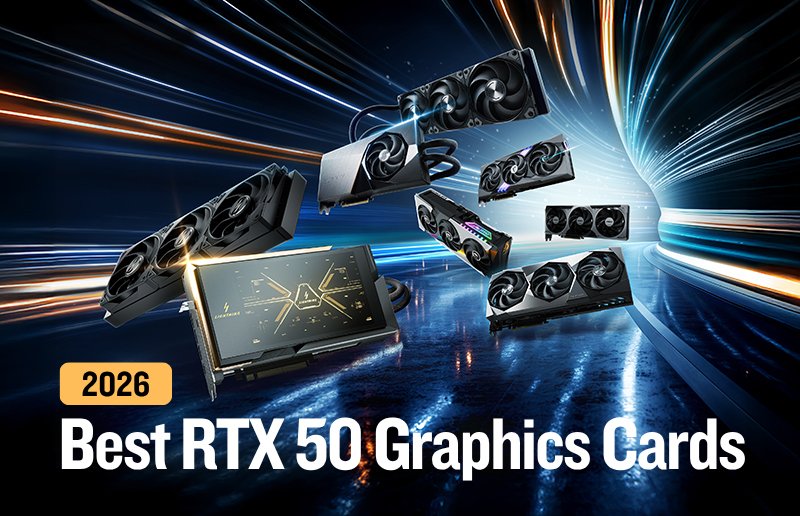
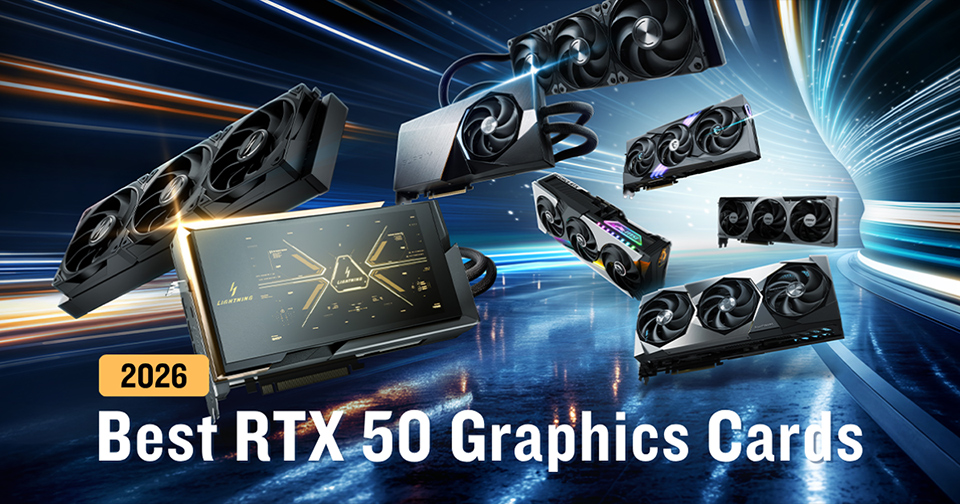
The Best GeForce RTX 50 Series Graphics Cards in 2026
Graphics Cards
Which GeForce RTX 50 card is actually the best one for your build? We picked a winner for every kind of setup: best overall, best for 4K, best value, best flagship, even best for collectors — each backed by independent reviews instead of marketing claims.
The picks
- Best Overall GeForce RTX 5070 Ti 16GB
- Best for 4K GeForce RTX 5080 16GB
- Best Value GeForce RTX 5060 Ti 16GB
- Best Flagship GeForce RTX 5090 32GB
- Best Premium Build the SUPRIM series
- Best for Small Form Factor Cases the compact cards
- Best for Collectors GeForce RTX 5090 LIGHTNING Z
- What only this generation gives you
- Full lineup table
- How these picks are sourced
- Frequently asked questions
Every build has a different bottleneck. A 4K rig, a small-form-factor box and a machine that has to stay quiet are three different problems, and the graphics card that solves one is rarely the card that solves another.
These are the best GeForce RTX 50 graphics cards for each of them in 2026: six picks, one per kind of build. Each pick links to independent reviews where they exist, so you can check the reasoning yourself.
Best Overall — GeForce RTX 5070 Ti 16GB
What it's built for
The GeForce RTX 5070 Ti does the widest job in the lineup. It runs 1440p with ray tracing on without asking you to turn settings down, and it holds 4K in standard titles with DLSS 4.5 Super Resolution at Quality. Its 16GB is enough for path tracing as well, which asks for memory whatever resolution you run it at.
Independent awards in this tier
- TweakTown · MUST HAVE, 94% · February 19, 2025 — GeForce RTX 5070 Ti 16G VENTUS 3X OC
- TweakTown · MUST HAVE, 93% · February 24, 2025 — GeForce RTX 5070 Ti 16G GAMING TRIO OC PLUS
- KitGuru · Worth Buying · February 19, 2025 — GeForce RTX 5070 Ti 16G VENTUS 3X OC
- TechPowerUp · Editor's Choice · February 20, 2025 — GeForce RTX 5070 Ti 16G VANGUARD SOC
Versions we build
| Graphics Card | Cooling | Boost clock | Extreme Performance via MSI Center |
Card size (L×W×H) | Power | Suitable case |
|---|---|---|---|---|---|---|
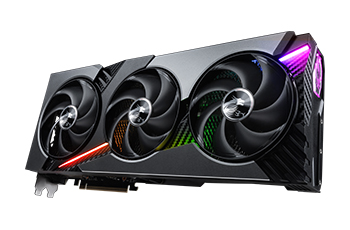 GeForce RTX 5070 Ti 16G VANGUARD SOC GeForce RTX 5070 Ti 16G VANGUARD SOC |
HYPER FROZR Thermal Design | 2588 MHz | 2602 MHz | 357 × 151 × 66 mm | 16-pin ×1 · 750 W PSU | Full-tower with 357 mm clearance. For builds where factory clock comes first. |
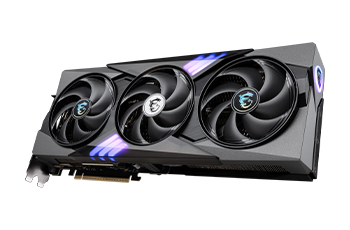 GeForce RTX 5070 Ti 16G GAMING TRIO OC PLUS GeForce RTX 5070 Ti 16G GAMING TRIO OC PLUS |
TRI FROZR 4 Thermal Design | 2572 MHz | 2580 MHz | 338 × 140 × 50 mm | 16-pin ×1 · 750 W PSU | Mid-tower with 338 mm clearance. For builds that want a quieter profile on demand. |
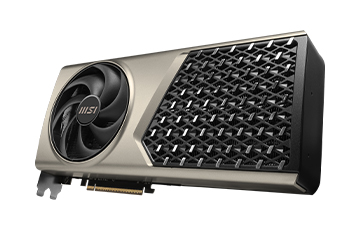 GeForce RTX 5070 Ti 16G EXPERT OC GeForce RTX 5070 Ti 16G EXPERT OC |
FLOW FROZR 2 Thermal Design | 2580 MHz | 2588 MHz | 319 × 150 × 60 mm | 16-pin ×1 · 750 W PSU | Mid-tower with 319 mm clearance. For builds with a plain visual theme rather than RGB. |
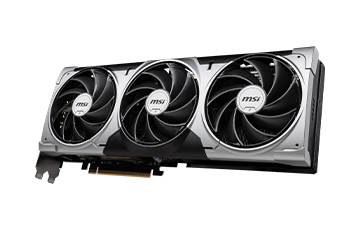 GeForce RTX 5070 Ti 16G VENTUS 3X OC GeForce RTX 5070 Ti 16G VENTUS 3X OC |
Triple-Fan Thermal Design | 2482 MHz | 2497 MHz | 303 × 121 × 49 mm | 16-pin ×1 · 750 W PSU | Mid-tower with 303 mm clearance — the most compact full-size option in this tier. |
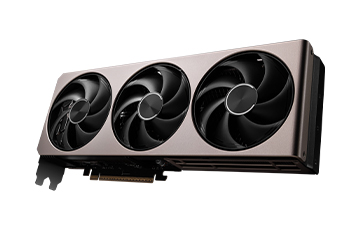 GeForce RTX 5070 Ti 16G INSPIRE 3X OC GeForce RTX 5070 Ti 16G INSPIRE 3X OC |
Triple-Fan Thermal Design | 2482 MHz | 2497 MHz | 288 × 112 × 50 mm | 16-pin ×1 · 750 W PSU | ITX and small-form-factor cases, from 288 mm clearance. |
Best for 4K — GeForce RTX 5080 16GB
What it's built for
This is the card for a 4K panel with the lighting effects left on rather than traded away for frame rate.
A 4K frame holds 8.3 million pixels, more than twice as many as 1440p. Turn ray tracing on and each of those pixels has its lighting worked out too. There is simply far more for the card to do every frame, and it has to keep doing it for as long as you play.
That is what the GeForce RTX 5080 is built for. 10,752 CUDA cores share the work, 16GB of GDDR7 memory running at 30 Gbps keeps them supplied, and it is allowed to draw up to 360 W, so it holds its speed instead of easing back to stay under a limit. DLSS 4.5 and 6X Dynamic Multi Frame Generation add frames on top of that, which is what keeps ray tracing at 4K smooth instead of something you end up switching off.
Series choice decides how the card holds up over a long session. At 4K it works at full tilt the whole time rather than in bursts, so the cooling design matters more here than at any other tier.
Versions we build
| Graphics Card | Cooling | Boost clock | Extreme Performance via MSI Center |
Card size (L×W×H) | Power | Suitable case |
|---|---|---|---|---|---|---|
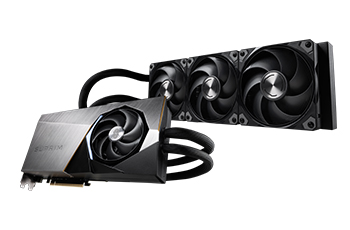 GeForce RTX 5080 16G SUPRIM LIQUID SOC GeForce RTX 5080 16G SUPRIM LIQUID SOC |
SUPRIM LIQUID Hybrid Cooling · 360 mm radiator | 2745 MHz | 2760 MHz | 280 × 148 × 51 mm | 16-pin ×1 · 850 W PSU | Cases with front or top 360 mm radiator mounting. The card itself needs only 280 mm. |
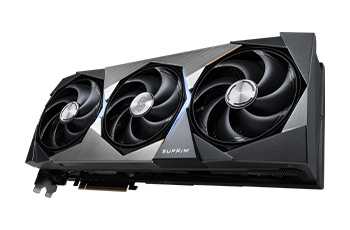 GeForce RTX 5080 16G SUPRIM SOC GeForce RTX 5080 16G SUPRIM SOC |
HYPER FROZR Thermal Design | 2745 MHz | 2760 MHz | 359 × 150 × 76 mm | 16-pin ×1 · 850 W PSU | Full-tower with 359 mm clearance, staying on air cooling. |
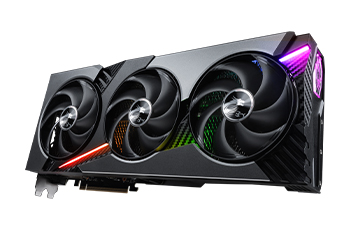 GeForce RTX 5080 16G VANGUARD SOC GeForce RTX 5080 16G VANGUARD SOC |
HYPER FROZR Thermal Design | 2730 MHz | 2745 MHz | 357 × 151 × 66 mm | 16-pin ×1 · 850 W PSU | Full-tower with 357 mm clearance. For show builds that also want a quieter profile. |
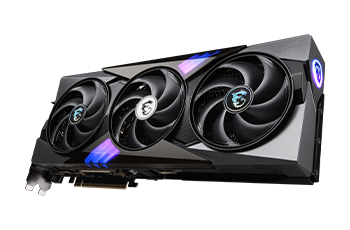 GeForce RTX 5080 16G GAMING TRIO OC GeForce RTX 5080 16G GAMING TRIO OC |
TRI FROZR 4 Thermal Design | 2700 MHz | 2715 MHz | 338 × 140 × 50 mm | 16-pin ×1 · 850 W PSU | Mid-tower with 338 mm clearance. |
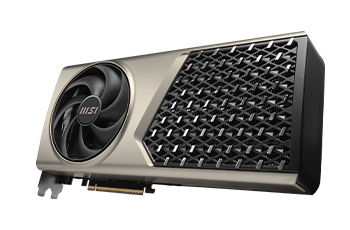 GeForce RTX 5080 16G EXPERT OC GeForce RTX 5080 16G EXPERT OC |
FLOW FROZR 2 Thermal Design | 2715 MHz | 2730 MHz | 319 × 150 × 60 mm | 16-pin ×1 · 850 W PSU | Mid-tower with 319 mm clearance. For builds with a plain visual theme rather than RGB. |
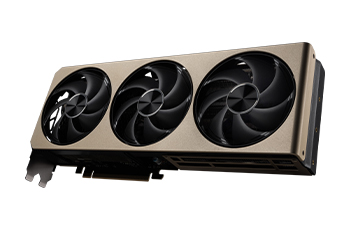 GeForce RTX 5080 16G INSPIRE 3X OC GeForce RTX 5080 16G INSPIRE 3X OC |
Triple-Fan Thermal Design | 2640 MHz | 2655 MHz | 288 × 112 × 50 mm | 16-pin ×1 · 850 W PSU | ITX and small-form-factor cases, from 288 mm clearance. |
Best Value — GeForce RTX 5060 Ti 16GB
What it's built for
The GeForce RTX 5060 Ti covers 1080p at high settings with enough left over for a high-refresh panel, and it stretches into 1440p comfortably.
It ships in two capacities, and they are built for two different players. Same chip, same name — what changes is how much memory the card has to work with, and that only matters once something starts filling it.
The 8GB version is for 1080p competitive play. In CS2, Valorant, Apex Legends and titles like them the frame buffer never fills, and Tom's Hardware's capacity comparison put the two versions within about 4% of each other at 1080p on medium settings (Tom's Hardware, 2026). At that job the extra memory has nothing to do.
The 16GB version is for everything that fills memory — 1440p, ray tracing at any resolution, and texture-heavy releases. That is where the same testing measured the gap at close to 40%, at 1440p ultra in ray-traced titles. Memory is the resource that runs out first, and shading performance does not compensate when it does.
If your library sits across both, the 16GB version is the one with room to move later.
Versions we build
| Graphics Card | Cooling | Boost clock | Extreme Performance via MSI Center |
Card size (L×W×H) | Power | Suitable case |
|---|---|---|---|---|---|---|
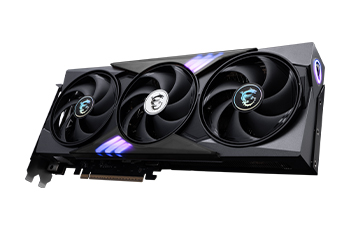 GeForce RTX 5060 Ti 16G GAMING TRIO OC GeForce RTX 5060 Ti 16G GAMING TRIO OC |
TRI FROZR 4 Thermal Design | 2647 MHz | 2662 MHz | 300 × 125 × 44 mm | 16-pin ×1 · 600 W PSU | Mid-tower with 300 mm clearance and a 16-pin PSU cable. |
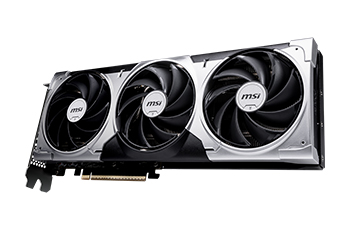 GeForce RTX 5060 Ti 16G VENTUS 3X OC GeForce RTX 5060 Ti 16G VENTUS 3X OC |
Triple-Fan Thermal Design | 2602 MHz | 2617 MHz | 304 × 121 × 44 mm | 8-pin ×1 · 600 W PSU | Mid-tower with 304 mm clearance. Runs on an existing 600 W PSU — 8-pin only. |
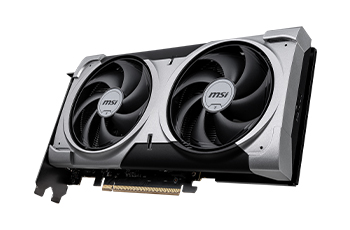 GeForce RTX 5060 Ti 16G VENTUS 2X OC PLUS GeForce RTX 5060 Ti 16G VENTUS 2X OC PLUS |
Dual-Fan Thermal Design | 2602 MHz | 2617 MHz | 227 × 126 × 41 mm | 8-pin ×1 · 600 W PSU | Compact cases from 227 mm. Runs on an existing 600 W PSU — 8-pin only. |
The 8GB and 16GB versions of VENTUS 2X OC PLUS and VENTUS 3X OC are identical in size, cooling and boost clock — 2602 MHz and the same dimensions either way. The only difference is the memory.
Best Flagship — GeForce RTX 5090 32GB
What it's built for
At 4K with full path tracing, the GeForce RTX 5090 is the only card in the lineup that stops being the limiting factor. Path tracing traces the whole lighting model rather than adding traced reflections on top of a rasterized frame. That load scales with scene complexity rather than pixel count, and it outpaces cards that handle 4K comfortably in every other respect.
Its 32GB also takes memory out of the conversation for creative work and for running AI models locally. That is a different job from gaming, and one that rewards capacity above almost everything else: a model either fits in VRAM or it does not, and no amount of shading performance compensates when it does not.
"The MSI GeForce RTX 5090 Suprim SOC is the best RTX 5090 custom design that we've tested. Thanks to its large cooling solution, paired with perfect fan settings, it's the quietest card available."
TechPowerUp · Editor's Choice · January 23, 2025
"The MSI GeForce RTX 5090 SUPRIM SOC stands at a more reasonable price, making it a persuasive choice for gurus seeking strong performance and efficient cooling."
Guru3D · Gold Award · February 6, 2025
"Cooling an almost 600W behemoth is not an easy job but MSI has been constantly at work improving its high-end cooling solutions such as the SUPRIM SOC."
WCCFTech · Editor's Choice · February 3, 2025
Versions we build
| Graphics Card | Cooling | Boost clock | Extreme Performance via MSI Center |
Card size (L×W×H) | Power | Suitable case |
|---|---|---|---|---|---|---|
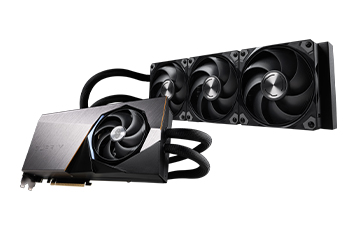 GeForce RTX 5090 32G SUPRIM LIQUID SOC GeForce RTX 5090 32G SUPRIM LIQUID SOC |
SUPRIM LIQUID Hybrid Cooling · 360 mm radiator | Gaming 2565 MHz Silent 2512 MHz |
Gaming 2580 MHz Silent 2527 MHz |
280 × 148 × 51 mm | 16-pin ×1 · 1000 W PSU | Cases with 360 mm radiator mounting. The card itself needs only 280 mm. |
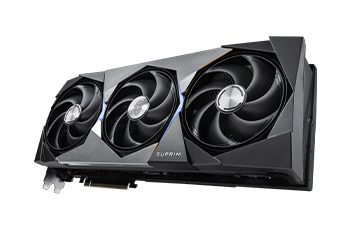 GeForce RTX 5090 32G SUPRIM SOC GeForce RTX 5090 32G SUPRIM SOC |
HYPER FROZR Thermal Design | Gaming 2565 MHz Silent 2512 MHz |
Gaming 2580 MHz Silent 2527 MHz |
359 × 150 × 76 mm | 16-pin ×1 · 1000 W PSU | Full-tower with 359 mm clearance, staying on air cooling. |
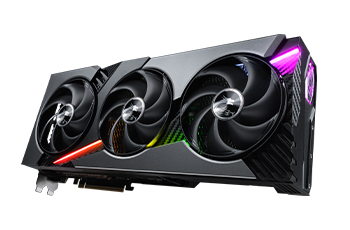 GeForce RTX 5090 32G VANGUARD SOC GeForce RTX 5090 32G VANGUARD SOC |
HYPER FROZR Thermal Design | 2512 MHz | 2527 MHz | 357 × 151 × 76 mm | 16-pin ×1 · 1000 W PSU | Full-tower with 357 mm clearance. For show builds that also want a quieter profile. |
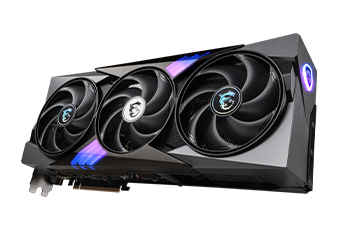 GeForce RTX 5090 32G GAMING TRIO OC GeForce RTX 5090 32G GAMING TRIO OC |
TRI FROZR 4 Thermal Design | 2482 MHz | 2497 MHz | 359 × 149 × 70 mm | 16-pin ×1 · 1000 W PSU | Full-tower with 359 mm clearance. |
Best Premium Build — the SUPRIM series
What it’s built for
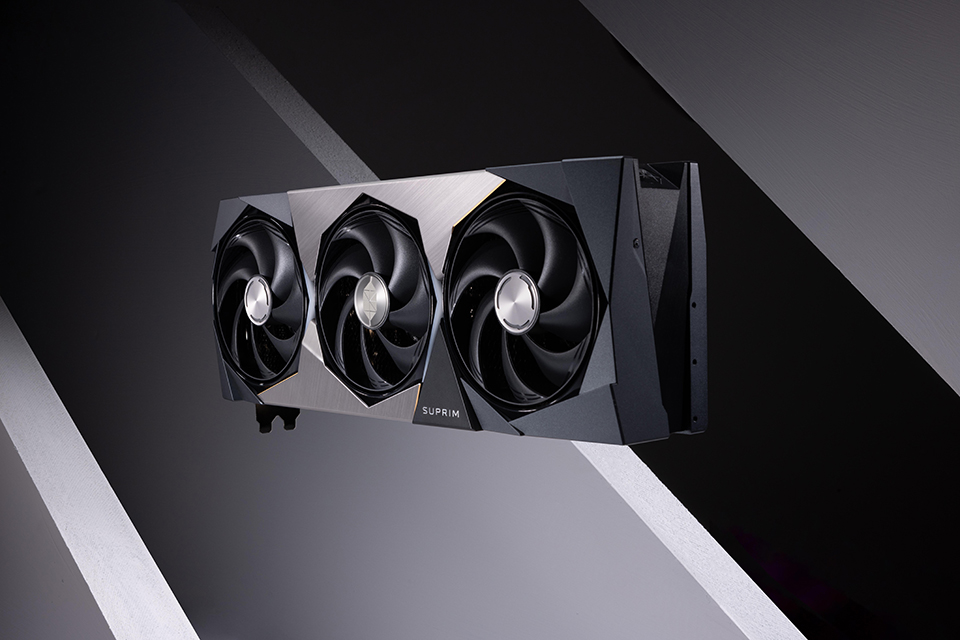
SUPRIM sits at the top of the lineup that ships in volume. Above it there is only the GeForce RTX 5090 LIGHTNING Z, and that is a 1,300-unit limited edition. For anyone choosing a card they can order today, SUPRIM is the ceiling.
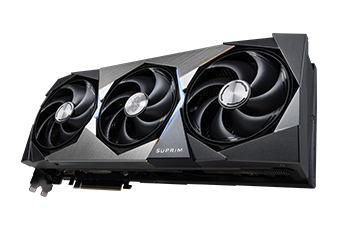
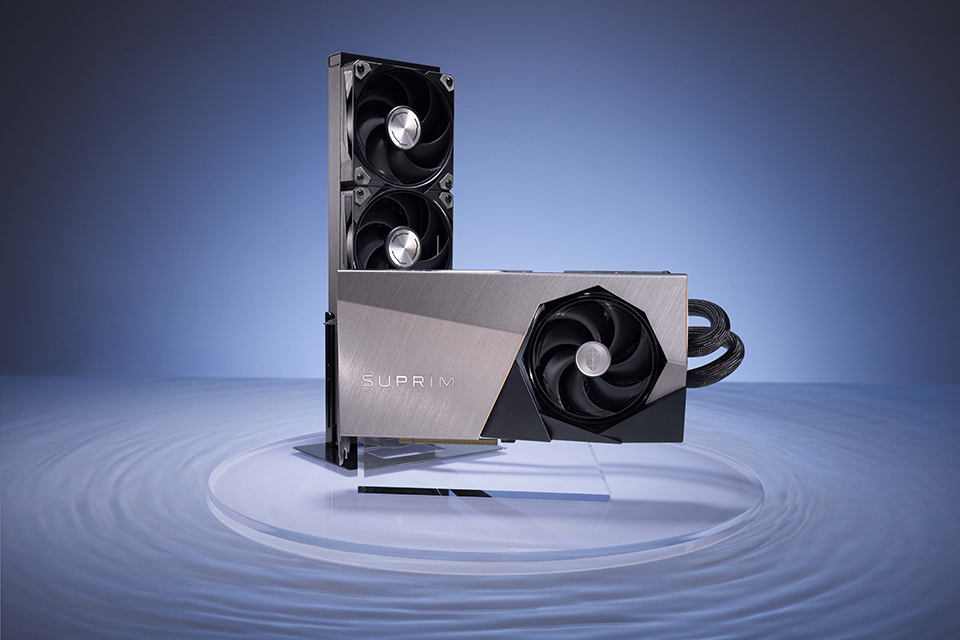
It earns that position with the most capable thermal solution of this generation. HYPER FROZR Thermal Design brings together the largest air cooler we build, a vapor chamber in direct contact with the die, a micro-fin copper base, and the Wave Curved 4.0 fin stack; SUPRIM LIQUID takes the same approach further, moving heat to a 360 mm radiator and out of the case entirely. That cooling headroom is why SUPRIM carries the highest factory clocks in its tiers — 2745 MHz on the GeForce RTX 5080 and 2565 MHz in Gaming Mode on the GeForce RTX 5090, ahead of every other series at those tiers.
The build is engineered rather than merely finished. A central frame in solid aluminium alloy carries the structural load of a card this size, and the PCB uses 2 oz copper layering, which raises conductivity so the board itself helps move heat. On the outside, the backplate combines brushed and sandblasted metal finishes aligned to precise cut lines, and the bevelled edges are cut with a diamond-tipped tool to a mirror finish.
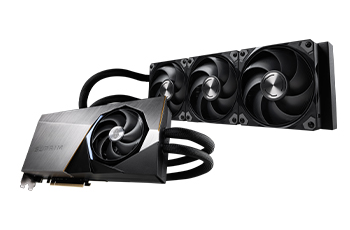
SUPRIM LIQUID carries the same construction and adds its own: a micro-fin copper base whose fins sit directly in the coolant stream to draw heat off the GPU and the VRAM, a 360 mm black aluminium radiator, and braided PVC tubing with a scratch-proof, permeation-resistant cover.
Quiet running comes out of all this rather than being the point of it. More heatsink moving the same heat means the fans turn slower, and fan speed is what you actually hear — which is why independent testing has put SUPRIM at the top on acoustics as well as on cooling.
"Our apples-to-apples cooler comparison test confirms that MSI’s Suprim Liquid cooling solution is the strongest cooler of all the cards tested today."
TechPowerUp · Editor’s Choice · January 23, 2025
Versions we build
| Graphics Card | Cooling | Boost clock | Extreme Performance via MSI Center |
Card size (L×W×H) | VRAM | Power |
|---|---|---|---|---|---|---|
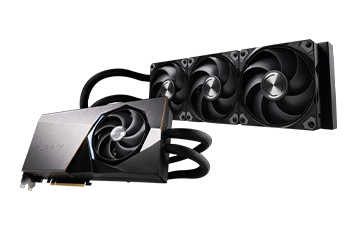 GeForce RTX 5090 32G SUPRIM LIQUID SOC GeForce RTX 5090 32G SUPRIM LIQUID SOC |
SUPRIM LIQUID Hybrid Cooling · 360 mm radiator | Gaming 2565 MHz Silent 2512 MHz |
Gaming 2580 MHz Silent 2527 MHz |
280 × 148 × 51 mm | 32GB GDDR7 | 16-pin ×1 · 1000 W PSU |
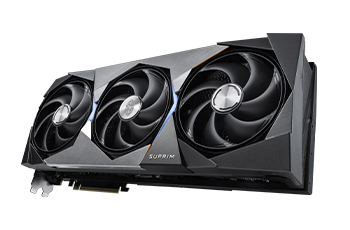 GeForce RTX 5090 32G SUPRIM SOC GeForce RTX 5090 32G SUPRIM SOC |
HYPER FROZR Thermal Design | Gaming 2565 MHz Silent 2512 MHz |
Gaming 2580 MHz Silent 2527 MHz |
359 × 150 × 76 mm | 32GB GDDR7 | 16-pin ×1 · 1000 W PSU |
 GeForce RTX 5080 16G SUPRIM LIQUID SOC GeForce RTX 5080 16G SUPRIM LIQUID SOC |
SUPRIM LIQUID Hybrid Cooling · 360 mm radiator | 2745 MHz | 2760 MHz | 280 × 148 × 51 mm | 16GB GDDR7 | 16-pin ×1 · 850 W PSU |
 GeForce RTX 5080 16G SUPRIM SOC GeForce RTX 5080 16G SUPRIM SOC |
HYPER FROZR Thermal Design | 2745 MHz | 2760 MHz | 359 × 150 × 76 mm | 16GB GDDR7 | 16-pin ×1 · 850 W PSU |
Best for Small Form Factor Cases — the compact cards across the lineup
What it's built for
The picks above were about which GPU. This one is about which card, and the distinction matters once your case stops being generous.
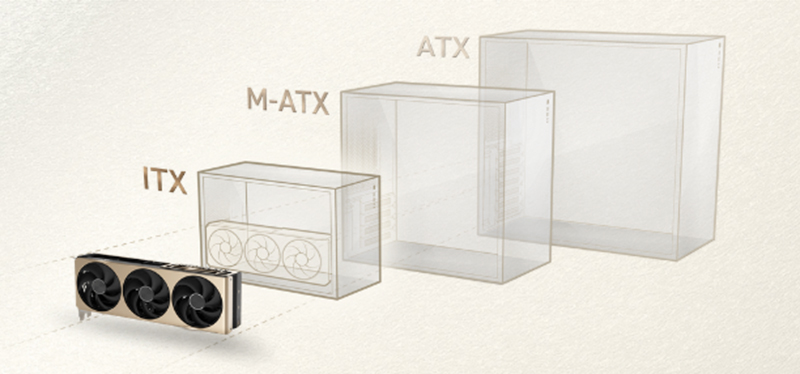
Small form factor, usually shortened to SFF, describes a case built to a fraction of a mid-tower's volume — generally around a Mini-ITX motherboard, and often under 20 litres in total. What that changes when you pick a graphics card is that three measurements stop being guidelines and become hard limits: the maximum card length the case publishes, the height from the PCIe slot to the side panel, and how many expansion slots the cooler occupies.
Two different shapes solve a small case, and they solve different constraints. VENTUS 2X is the shortest route: two fans, 41 mm thick, and as little as 197 mm long on the GeForce RTX 5060. INSPIRE 3X is the narrowest: 112 mm tall against 120–126 mm for the two-fan cards, and it carries three fans up to the GeForce RTX 5080 — the highest tier in this lineup that fits a small-form-factor build.
Which one you need depends on which measurement your case runs out of first. Length is the limit most builders hit, and the one printed on a case's spec sheet. Height, the side-panel clearance above the slot, is the one people forget until the panel will not close.
Measure both before you choose a GPU, not after.
Versions we build
| Graphics Card | Cooling | Boost clock | Extreme Performance via MSI Center |
Card size (L×W×H) | VRAM | Power |
|---|---|---|---|---|---|---|
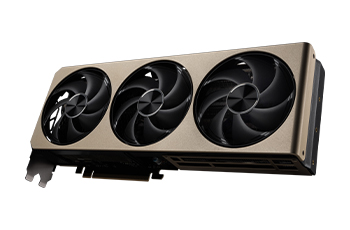 GeForce RTX 5080 16G INSPIRE 3X OC GeForce RTX 5080 16G INSPIRE 3X OC |
Triple-Fan Thermal Design | 2640 MHz | 2655 MHz | 288 × 112 × 50 mm | 16GB GDDR7 | 16-pin ×1 · 850 W PSU |
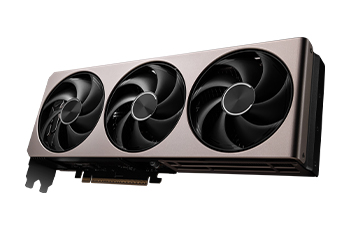 GeForce RTX 5070 Ti 16G INSPIRE 3X OC GeForce RTX 5070 Ti 16G INSPIRE 3X OC |
Triple-Fan Thermal Design | 2482 MHz | 2497 MHz | 288 × 112 × 50 mm | 16GB GDDR7 | 16-pin ×1 · 750 W PSU |
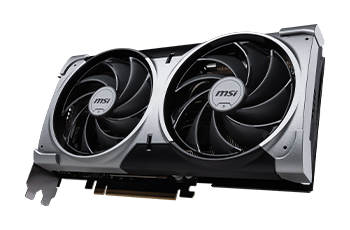 GeForce RTX 5070 12G VENTUS 2X OC GeForce RTX 5070 12G VENTUS 2X OC |
Dual-Fan Thermal Design | 2542 MHz | 2557 MHz | 236 × 126 × 50 mm | 12GB GDDR7 | 16-pin ×1 · 650 W PSU |
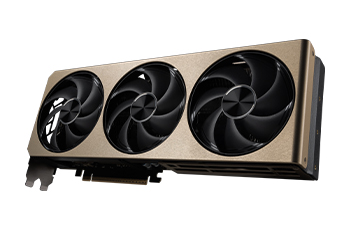 GeForce RTX 5070 12G INSPIRE 3X OC GeForce RTX 5070 12G INSPIRE 3X OC |
Triple-Fan Thermal Design | 2542 MHz | 2557 MHz | 288 × 112 × 50 mm | 12GB GDDR7 | 16-pin ×1 · 650 W PSU |
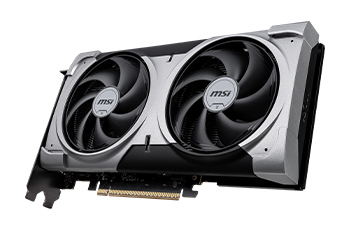 GeForce RTX 5060 Ti 16G VENTUS 2X OC PLUS GeForce RTX 5060 Ti 16G VENTUS 2X OC PLUS |
Dual-Fan Thermal Design | 2602 MHz | 2617 MHz | 227 × 126 × 41 mm | 16GB GDDR7 | 8-pin ×1 · 600 W PSU |
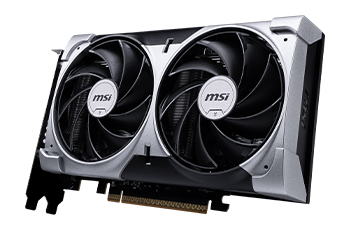 GeForce RTX 5060 8G VENTUS 2X OC GeForce RTX 5060 8G VENTUS 2X OC |
Dual-Fan Thermal Design | 2527 MHz | 2535 MHz | 197 × 120 × 41 mm | 8GB GDDR7 | 8-pin ×1 · 550 W PSU |
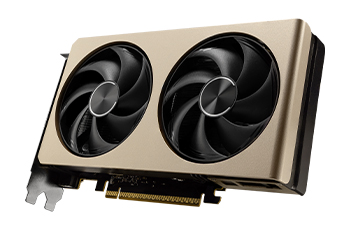 GeForce RTX 5060 8G INSPIRE 2X OC GeForce RTX 5060 8G INSPIRE 2X OC |
Dual-Fan Thermal Design | 2535 MHz | 2550 MHz | 204 × 117 × 41 mm | 8GB GDDR7 | 8-pin ×1 · 550 W PSU |
Best for Collectors — GeForce RTX 5090 LIGHTNING Z
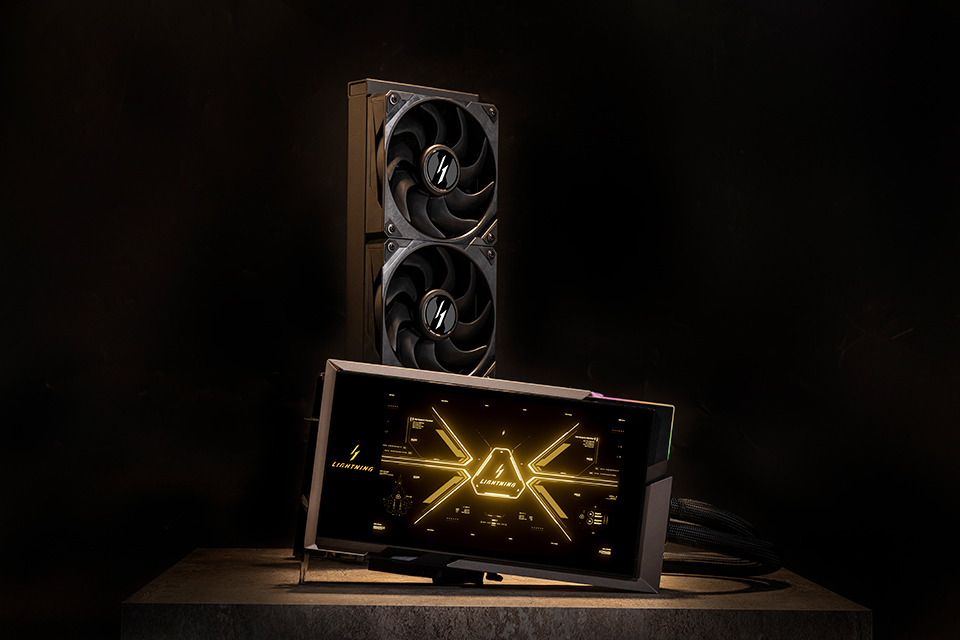
The LIGHTNING Z is a 1,300-unit limited edition, which is why it is a note rather than a full category. It uses custom AIO liquid cooling with a 360mm triple-fan radiator plus an 8-inch display panel, a different approach from the StormForce air cooling used across the rest of the lineup.
It runs two 12V-2x6 connectors, an 800W power limit on the default OC vBIOS and 1000W on the Extreme vBIOS, and a milled copper block covering the GB202 die, the GDDR7 memory and the 40-phase VRM. Tom's Hardware measured it 12% faster than the GeForce RTX 5090 Founders Edition out of the box and 18% faster with manual overclocking, and called it the best GeForce RTX 5090 yet made (Tom's Hardware, 2026).
At 1,300 units, this card exists to answer a collector's question, not a buyer's one: what MSI can build when scarcity and price aren't limits.
One thing only this generation gives you
6X Dynamic Multi Frame Generation and DLSS 5 both require GeForce RTX 50 hardware today. DLSS 5 launched on 3 September 2026 with a real-time neural rendering model, debuting in NBA 2K27; NVIDIA has said broader GeForce RTX 40 support is planned once GeForce RTX 50 performance work is finished (NVIDIA, 2026). 6X Dynamic Multi Frame Generation, part of DLSS 4.5 and released in March 2026, also stays on GeForce RTX 50 for now (NVIDIA, 2026).
Multi Frame Generation raises smoothness, not responsiveness, and that's worth knowing before it factors into your decision. Generated frames do not reduce input latency, so pair it with Reflex and judge it for yourself in the genres where a few milliseconds decide the fight.
If you are weighing an upgrade rather than a first build, that hardware split is the deciding factor.
The full lineup at a glance
If none of the categories above matches your build exactly, find your resolution and your budget here. Every cell assumes DLSS 4.5 Super Resolution at Quality and a 60 fps target at high settings.
| Entry | Mid | High-End | |
|---|---|---|---|
| 1080p | GeForce RTX 5060 8GB | GeForce RTX 5060 Ti 16GB | GeForce RTX 5070 12GB |
| 1440p | GeForce RTX 5070 12GB | GeForce RTX 5070 Ti 16GB | GeForce RTX 5080 16GB |
| 4K | GeForce RTX 5070 Ti 16GB | GeForce RTX 5080 16GB | GeForce RTX 5090 32GB |
Ray tracing and path tracing both push you toward a more capable card than the resolution alone would suggest. For example: at 1080p with path tracing on, plan around the card in the 1440p Mid cell (GeForce RTX 5070 Ti) rather than the 1080p cell for your actual resolution. Path tracing's VRAM and compute load behaves more like a resolution jump than a settings toggle.
How these picks are sourced
As of September 2026, MSI's own award tracking counts 250+ awards across the GeForce RTX 50 graphics card lineup, with desktops and laptops excluded from that figure.
The reviews quoted above are linked individually so each claim can be checked against its source. If a card has no independent review to cite, this guide says so. The INSPIRE and SUPRIM picks above are based on their design and specifications rather than review verdicts.
Frequently asked questions
What is the best GeForce RTX 50 graphics card in 2026?
For most builds, the GeForce RTX 5070 Ti is the pick, and in our lineup the VENTUS 3X OC is where to start: it's the version with the most independent reviews behind it. Notebookcheck, TweakTown and KitGuru have all reviewed it. The GAMING TRIO OC PLUS and VANGUARD SOC give you more cooling on the same GPU if you plan to run it hard. For 4K with ray tracing, the GeForce RTX 5080 GAMING TRIO OC is the better fit, and for 4K path tracing or local AI work, the GeForce RTX 5090 SUPRIM and its 32GB removes the ceiling.
Should I buy the 8GB or 16GB GeForce RTX 5060 Ti?
It depends on what you play. For 1080p competitive titles the 8GB version is enough — Tom's Hardware measured the two within about 4% of each other at 1080p on medium settings. For 1440p, for ray tracing at any resolution, or for texture-heavy releases, take the 16GB: the same testing put that gap at close to 40% at 1440p ultra in ray-traced titles. Either capacity comes in VENTUS 2X OC PLUS (227 mm, the shortest) and VENTUS 3X OC (304 mm, three fans), both on a single 8-pin connector; GAMING TRIO OC is 16GB only and carries the highest clock at 2647 MHz.
Is the GeForce RTX 5090 worth it over the GeForce RTX 5080?
For 4K path tracing, for creative work, or for running AI models locally where 32GB changes what is possible, yes. The GeForce RTX 5090 SUPRIM is the one to look at if the machine has to stay quiet under that load, and SUPRIM LIQUID moves the heat out of the case entirely. For 4K gaming with ray tracing, the GeForce RTX 5080 GAMING TRIO OC is the sensible stopping point.
Which MSI series should I choose for my case?
Measure your clearance first. Two series fit small-form-factor cases: VENTUS 2X is the shortest, as little as 197mm on the GeForce RTX 5060, and INSPIRE 3X is the narrowest at 112mm tall, reaching up to the GeForce RTX 5080. GAMING TRIO, VANGUARD SOC, SUPRIM and EXPERT are larger or differently shaped, and buy you quieter running and steadier clocks under sustained load, or in EXPERT's case, a plainer look, rather than a different performance class.
Does DLSS 5 require a GeForce RTX 50 card?
At launch on 3 September 2026, DLSS 5 runs on all GeForce RTX 50 Series desktop cards, GeForce RTX 50 laptops and GeForce NOW. 6X Dynamic Multi Frame Generation is GeForce RTX 50 only. NVIDIA has said GeForce RTX 40 support is planned once GeForce RTX 50 performance work is finished (NVIDIA, 2026).